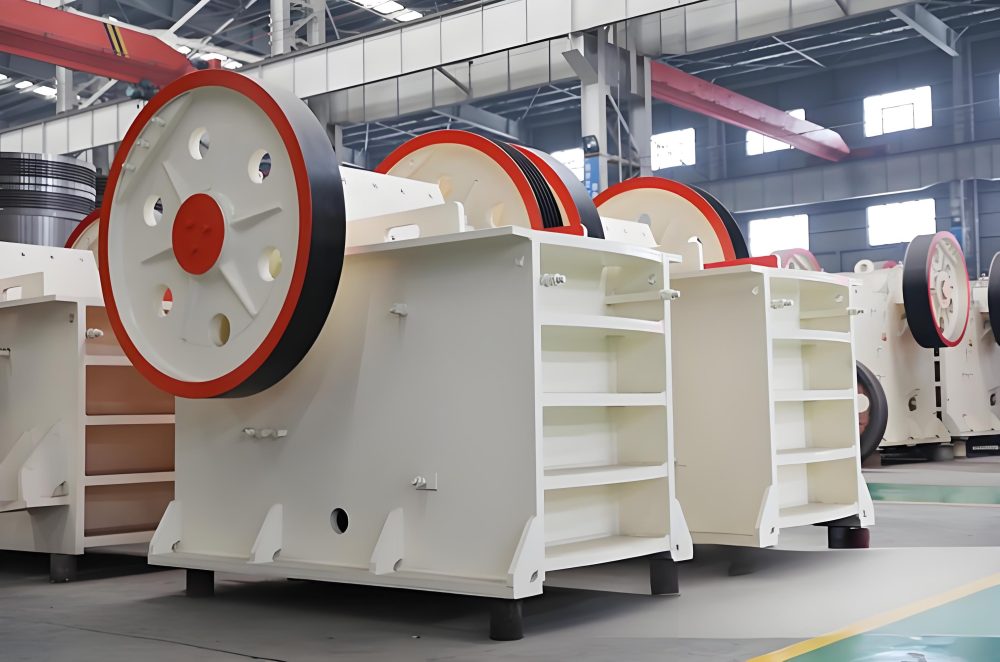
The Ultimate Guide to Jaw Crushers: Components, Types, Principles, and Maintenance

Jaw crushers are fundamental pieces of equipment in the mining, aggregate, and construction industries. Renowned for their reliability and high reduction ratio, they are the primary workhorses for the first stage of rock crushing and size reduction. This guide delves into the inner workings of jaw crushers, exploring their components, types, operational principles, and essential maintenance practices.
What is a Jaw Crusher and How Does It Work?
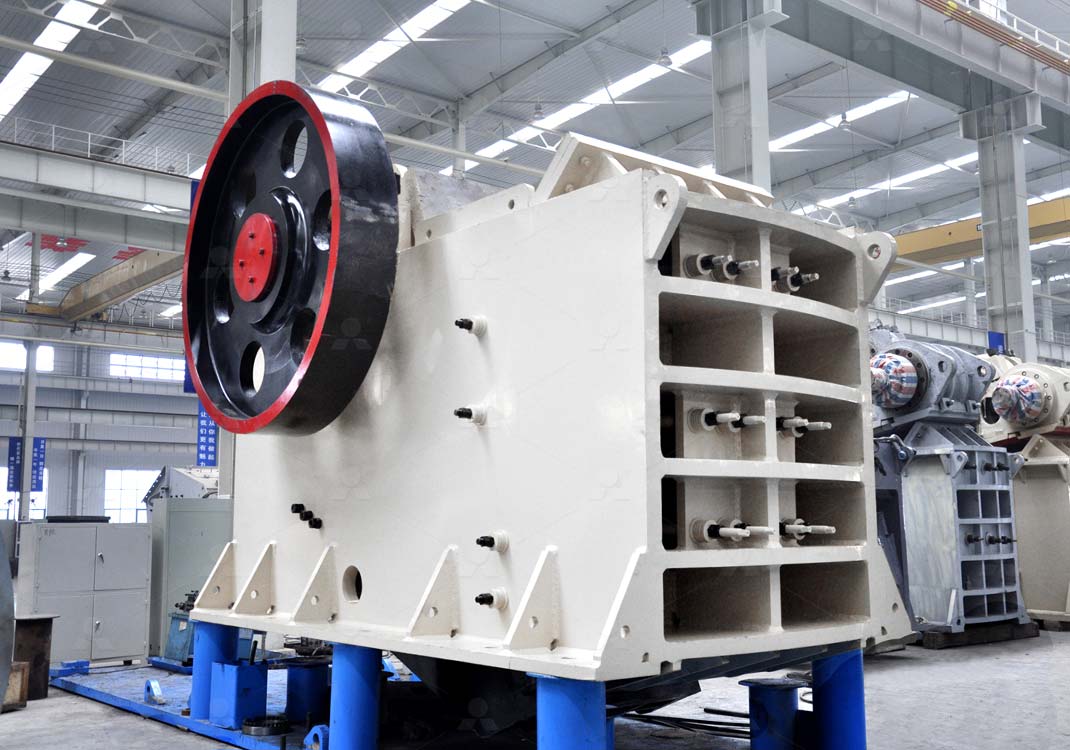
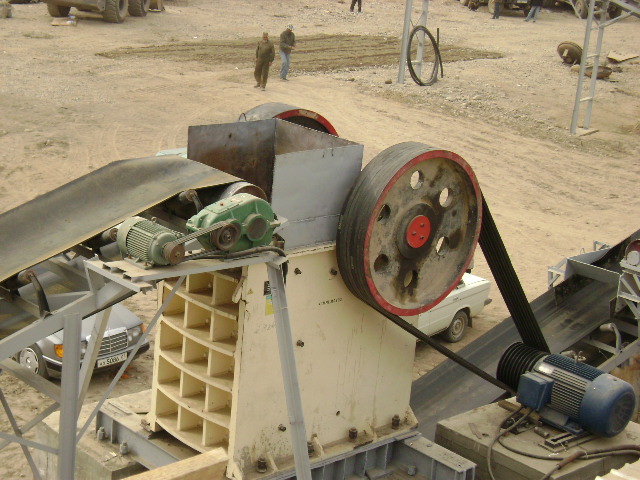
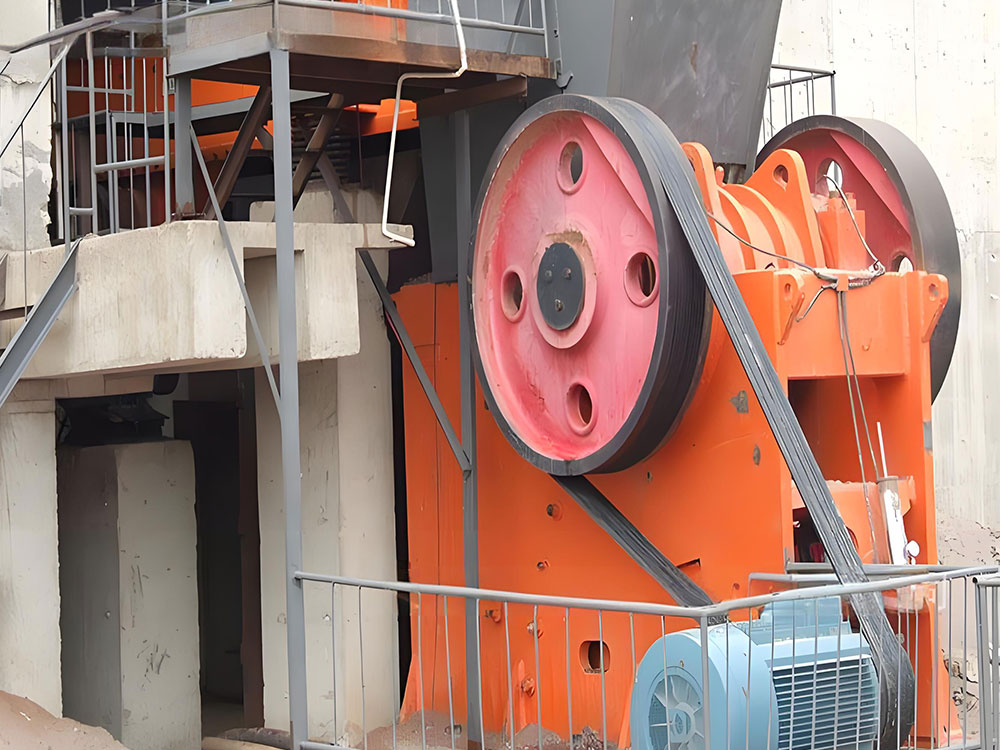
A jaw crusher is a robust compression-type crusher that utilizes two opposing jaws to break down large, hard materials, primarily rock and ore. One jaw is stationary (fixed jaw), while the other moves back and forth (swing jaw), creating a powerful mechanical force that fractures the material.
The crushing process begins when large feed material enters the crushing chamber from the top. The moving jaw repeatedly cycles, applying immense pressure against the fixed jaw. This action compresses the material against the stationary jaw until it fractures into smaller pieces. The crushed material continues to move down the chamber, being compressed further with each cycle until it is small enough to escape through the bottom opening, known as the closed-side setting (CSS). The size of the crushed product is determined by the gap at the bottom of the jaws.
Key Components of a Jaw Crusher
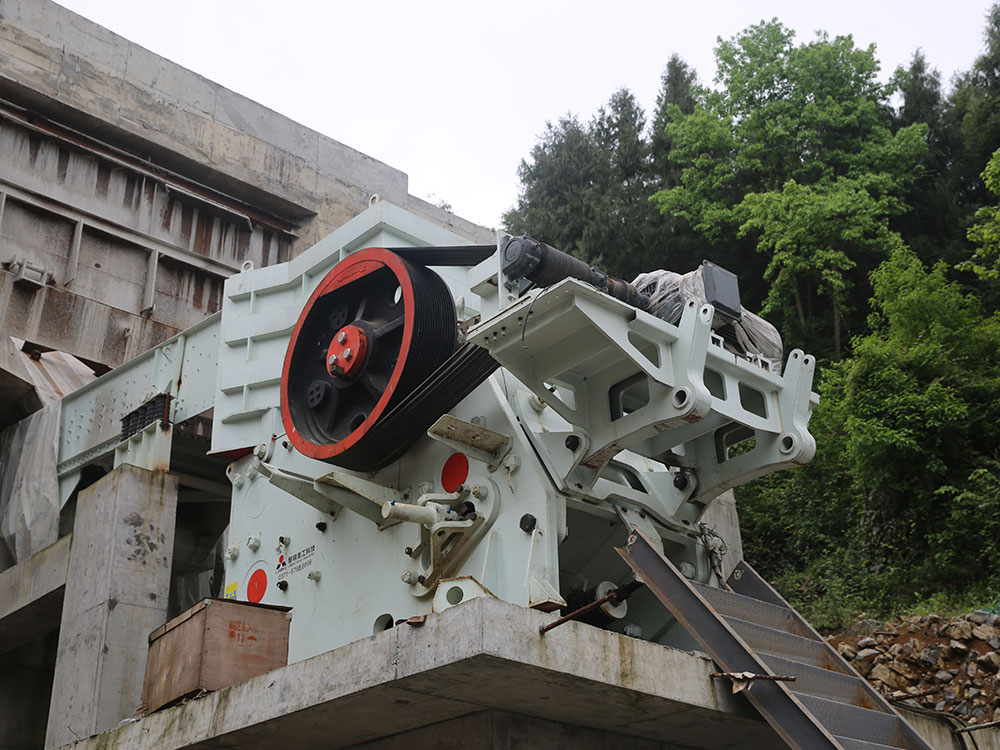
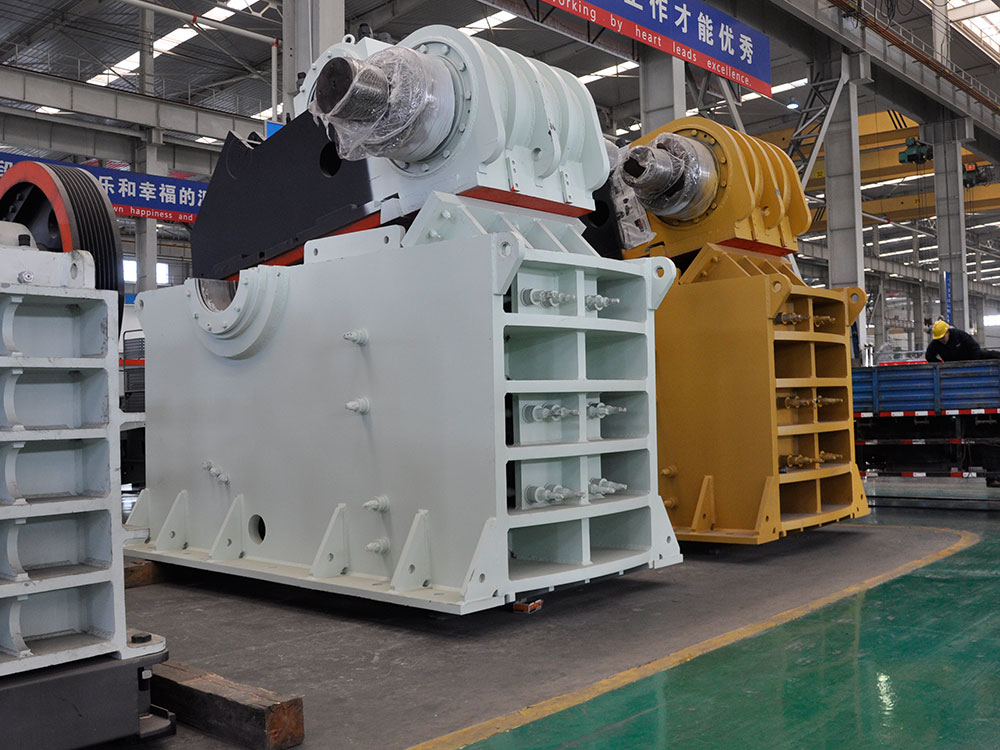
Understanding the main components is crucial for comprehending its operation and maintenance:
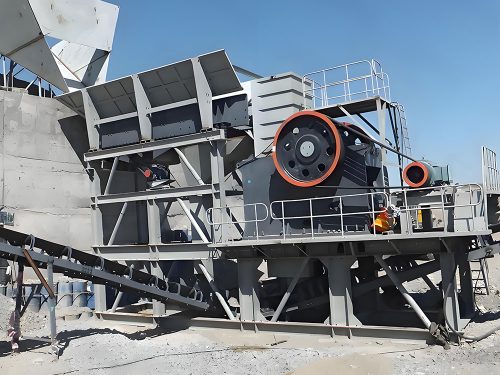
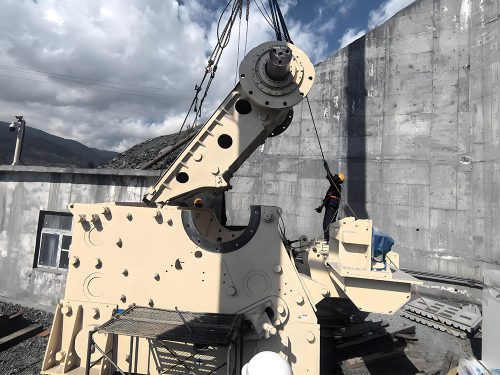
Frame: The heavy-duty base structure that supports all other components and withstands the tremendous shock loads generated during crushing.
Fixed Jaw: A rigid jaw plate mounted vertically on the main frame. It does not move and provides the surface against which the material is crushed.
Movable Jaw: The swing jaw assembly that moves in an elliptical motion against the fixed jaw. It is powered by an eccentric shaft.
Jaw Plates (Liners): The replaceable manganese steel plates bolted onto the fixed and movable jaws. These are the primary wear parts that directly contact and crush the material.
Eccentric Shaft: A main shaft that runs through the crusher's frame, creating the elliptical motion that drives the movable jaw. It is a critical and heavily stressed component.
Toggle Plate: A safety mechanism that acts as a sacrificial link. In the event of an uncrushable object (like metal) entering the chamber, the toggle plate is designed to break, protecting the more expensive components from severe damage.
Adjusting Wedge: A system used to adjust the closed-side setting (CSS), which controls the output product size. Raising or lowering the wedge changes the gap between the jaws at the discharge point.
Different Types of Jaw Crushers
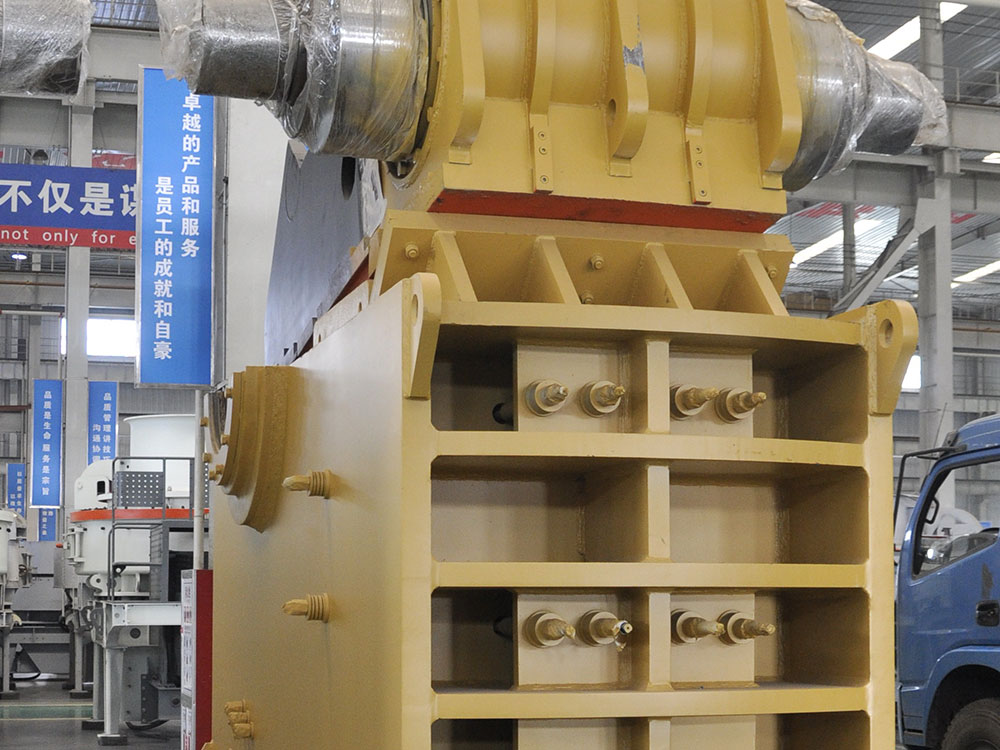
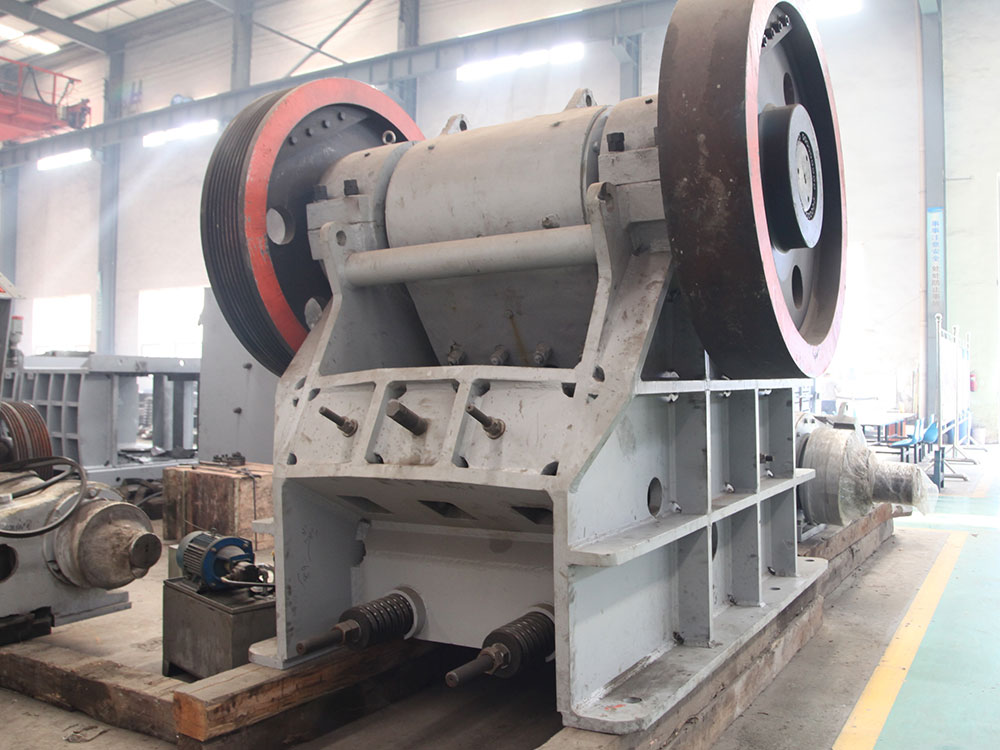
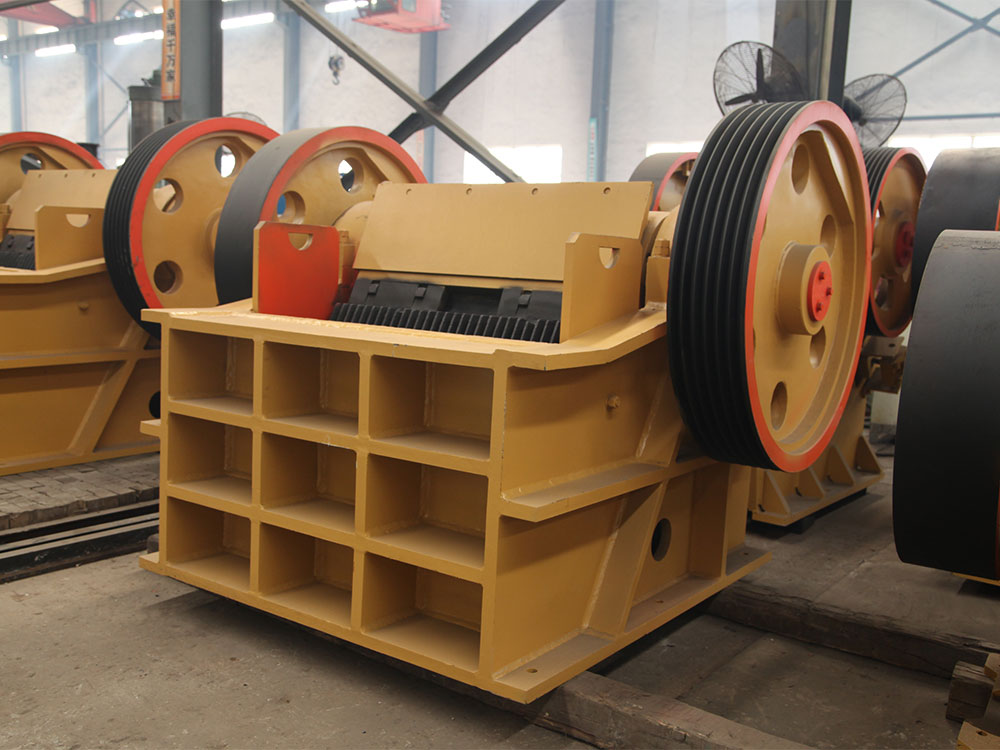
While the fundamental principle remains the same, jaw crushers are designed based on the movement of the swing jaw:
Blake (Double Toggle) Jaw Crushers: In this classic design, the swing jaw is pivoted at the top. The eccentric shaft is located behind the jaw, and motion is achieved via two toggle plates. This design is known for its positive crushing action and is typically used for heavy, hard, and abrasive materials.
Overhead Eccentric (Single Toggle) Jaw Crushers: This more modern and common design has the eccentric shaft located at the top of the crusher. The swing jaw is directly connected to the eccentric shaft, creating a more compact elliptical motion. Single toggle crushers are generally more efficient and have a higher capacity than double toggle designs of the same size but may experience slightly higher jaw plate wear.
The choice between these types depends on the application, material characteristics, and desired capacity.
Applications, Advantages, and Essential Maintenance


Primary Applications:
Jaw crushers are predominantly used as primary crushers. Their main job is to reduce run-of-mine rock to a size that can be processed by secondary and tertiary crushers. Common applications include:
Mining and quarrying of aggregates (granite, basalt, limestone)
Mining and processing of metallic ores
Construction and demolition waste recycling
Crushing abrasive materials
Key Advantages:
Simple and Robust Design: Their straightforward mechanics make them reliable and easy to maintain.
High Reduction Ratio: Capable of reducing large feed material (up to 1.5m) to a product as small as 10mm in a single stage.
Versatility: Can handle a wide variety of materials, from hard and abrasive granite to softer minerals.
Low Operational Costs: Simple maintenance and readily available wear parts contribute to a lower total cost of ownership.
Essential Maintenance Tips:
Proper maintenance is key to maximizing a jaw crusher's lifespan and operational efficiency.
Regular Lubrication: The eccentric shaft and bearings require consistent, high-quality lubrication to prevent overheating and premature failure.
Jaw Plate Inspection: Regularly check jaw plates for wear and turn or replace them before they are worn out to avoid damage to the jaw die holders. Rotating plates ensures even wear.
Monitor Toggle Plate: Inspect the toggle plate for cracks or damage regularly.
Check for Proper Tension: Ensure all belts are properly tensioned to prevent slippage and loss of efficiency.
Keep it Clean: Prevent build-up of material around the crusher frame and mechanisms to avoid unnecessary wear and overheating.
In conclusion, the jaw crusher remains an indispensable piece of crushing equipment. Its simple yet effective design, combined with its durability and high performance, ensures its continued dominance in primary crushing applications across the globe. By understanding its operation and committing to a proactive maintenance routine, operators can ensure their jaw crusher delivers optimal productivity for years to come.