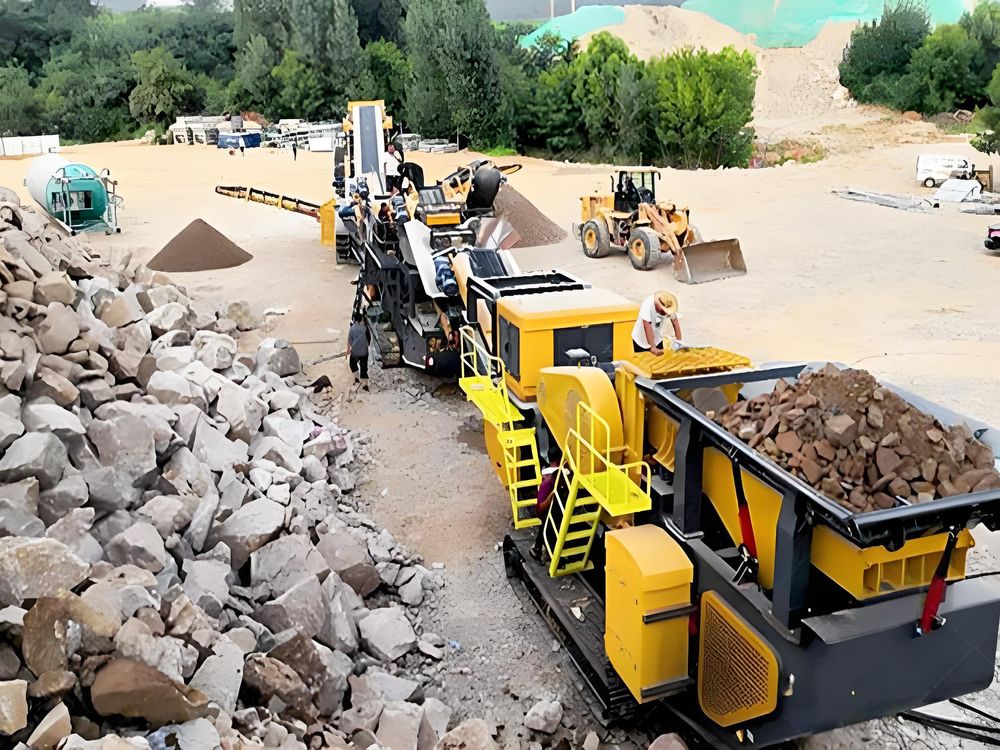
Investment Cost Composition and Equipment Structure of a $20 Million Gold Mining Project in Tanzania

The total investment of $20 million is allocated across several key areas, including licensing, infrastructure, equipment, labor, and operational reserves. Below is a detailed cost distribution:
1.1 Licensing and Legal Compliance (15-20%)
- Mining License: $2–3 million, depending on the deposit size and location.
- Environmental and Community Agreements: $500,000–$1 million (environmental impact assessments, land compensation, and permits).
- Taxes and Royalties: $1–1.5 million (Tanzania imposes a 4% royalty on gold sales and additional levies).
1.2 Infrastructure Development (25-30%)
- Site Preparation: $1–1.5 million (clearing, access roads, and fencing).
- Power Supply: $2–3 million (diesel generators or solar hybrid systems for off-grid sites).
- Water Management: $1 million (boreholes, pipelines, and treatment plants).
- Camp Facilities: $500,000–$1 million (staff housing, offices, and warehouses).
1.3 Mining Equipment (30-35%)
Core equipment constitutes the largest expense (detailed in Section 2).
1.4 Labor and Training (10-15%)
- Wages: $1.5–2 million annually (local and expatriate workforce).
- Training: $200,000–500,000 (safety, equipment handling, and compliance).
1.5 Operational Reserves (10%)
- Working Capital: $2 million (fuel, maintenance, and contingency funds).
2. Equipment Composition
The mining fleet is tailored for Tanzania’s gold deposits (hard rock or alluvial). Here’s a typical setup:
2.1 Ore Extraction and Hauling
- Excavators/Loaders: 2–3 units ($1.2–1.8 million).
- Haul Trucks: 5–10 units ($2–3 million for 30-ton capacity trucks).
- Drilling Rigs: 1–2 units ($500,000–$1 million for blast hole drills).
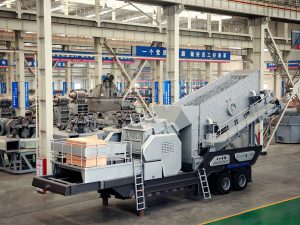
2.2 Crushing and Grinding
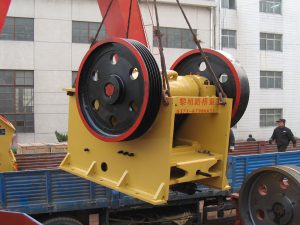
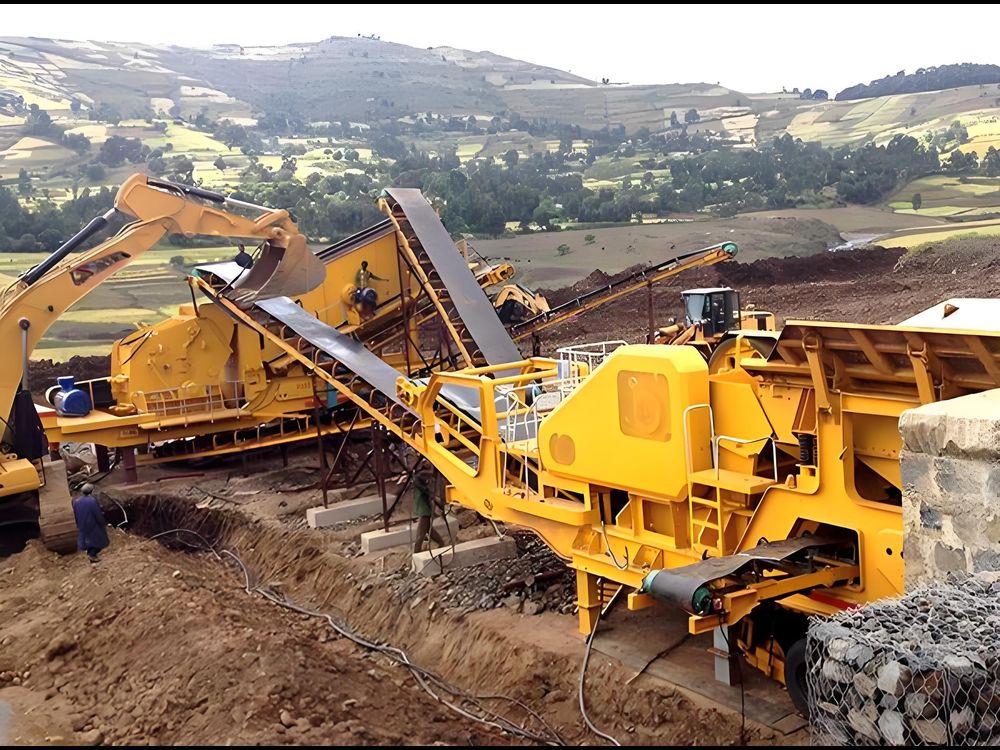
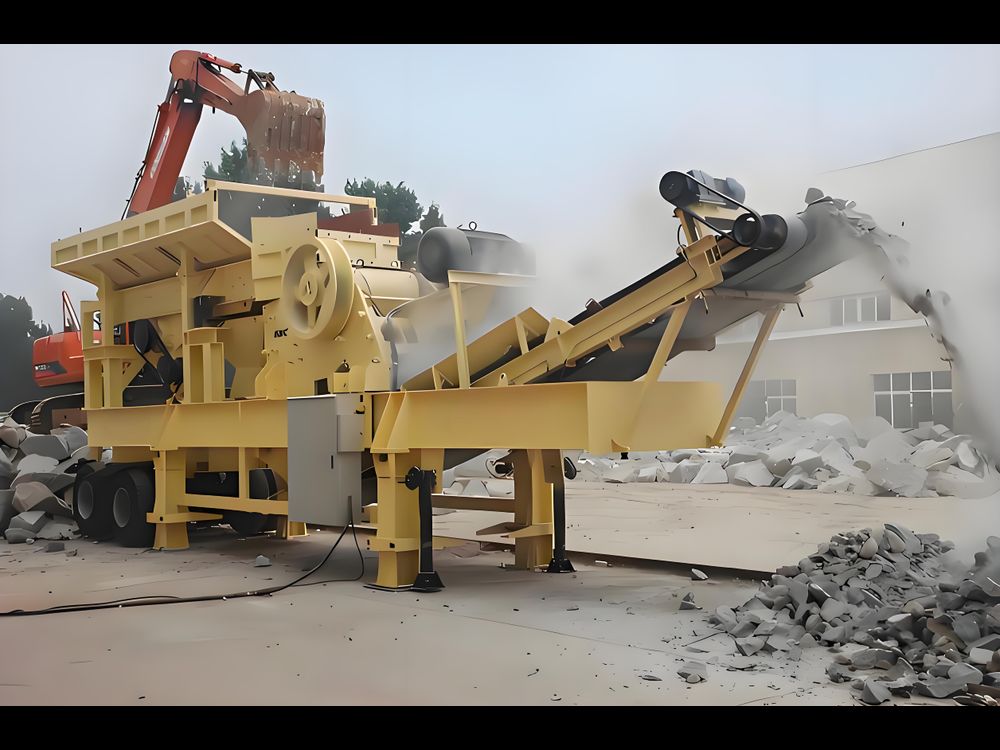
- Primary Jaw Crusher: $200,000–400,000 (e.g., PE750×1060).
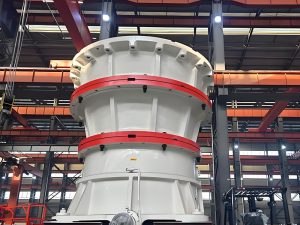
- Secondary Cone Crusher: $500,000–800,000 (e.g., HPT300 hydraulic model for high efficiency).
- Ball/Vertical Mills: $1–1.5 million for fine grinding.
2.3 Material Handling
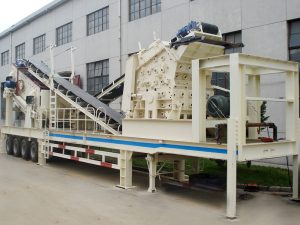
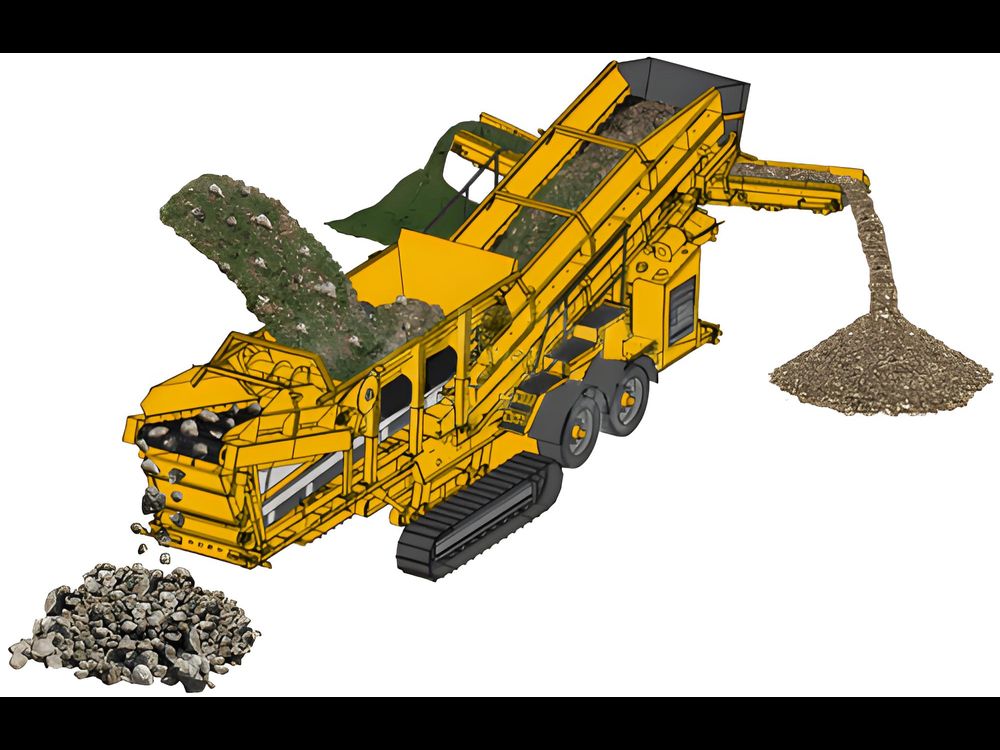
- Conveyors: $300,000–600,000 (tracked or stationary).
- Vibrating Screens: $100,000–200,000 (e.g., 2YZS2160 for grading).
2.4 Gold Recovery
- CIL/CIP Plant: $3–5 million (adsorption tanks, carbon regeneration).
- Gravity Concentrators: $200,000 (Knelson/Falcon).
- Electrowinning/Refining: $500,000.
2.5 Auxiliary Equipment
- Generators: $500,000 (1–2 MW capacity).
- Water Pumps/Filters: $100,000.
- Lab/Assaying Tools: $50,000.
3. Cost Optimization Strategies
- Local Partnerships: Reduce logistics costs via Tanzanian suppliers.
- Phased Investment: Prioritize high-yield zones to align cash flow.
- Used Equipment: Lower upfront costs (30–40% savings).
Conclusion
A $20 million gold mining project in Tanzania requires meticulous planning, with 60–70% of funds directed toward equipment and infrastructure. The right machinery—like HPT cone crushers and CIP plants—ensures efficiency, while prudent spending on licenses and labor safeguards profitability. With Tanzania’s gold prices averaging $1,800/oz and stable policies, such investments can yield attractive ROI within 3–5 years.